In short: Campfire popcorn works with a long-handled pot with a lid, a bit of oil, and popping kernels - the key is holding the pot over the embers, not the open flame, and shaking it constantly. The slightly smoky note and waiting together are what make it special.
💡
The timing trick against burnt popcorn
The most common mistake at the campfire is leaving the pot over the embers too long. Don't rely on the clock - rely on your ears: as long as it's popping in quick succession, you're fine. Once several seconds pass between individual pops, most of it is done - pull it off the embers right away. The last few unpopped kernels aren't worth burning the whole batch.
Step by step over the embers
The process is simple - the only difference from a stovetop is handling the open fire.
-
🪵
1
Prep the embers
Wait until the fire has burned down into an even bed of embers. Tall, open flames are too hot and unpredictable.
-
🫒
2
Heat the oil
Add about three tablespoons of heat-resistant oil to the pot and hold it over the embers until it shimmers.
-
🌽
3
Add the kernels
Add a single layer of popping kernels, then put the lid on. Too many kernels at once pops unevenly.
-
🔥
4
Shake, shake, shake
Keep moving the pot back and forth over the embers so nothing burns. Steady shaking is the whole secret.
-
👂
5
Listen for the pops
Once the gaps between pops stretch to several seconds, pull the pot off the embers - or the last batch will burn.
-
🧂
6
Season & enjoy
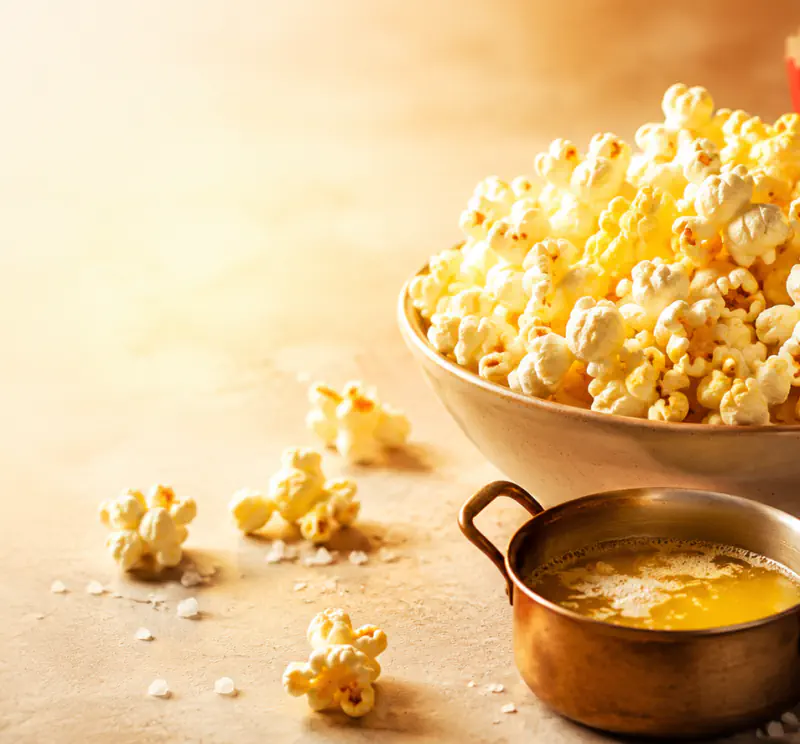
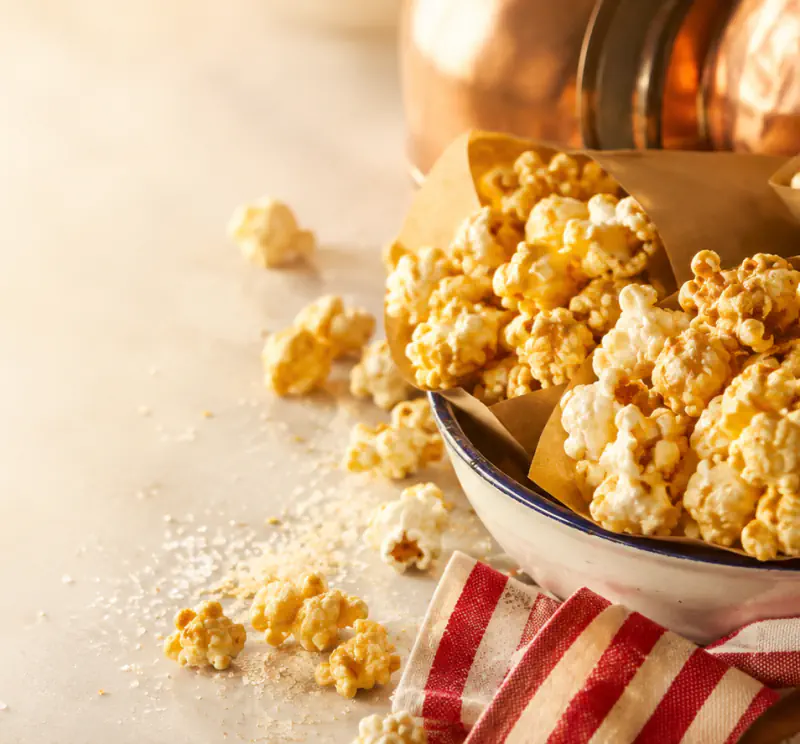
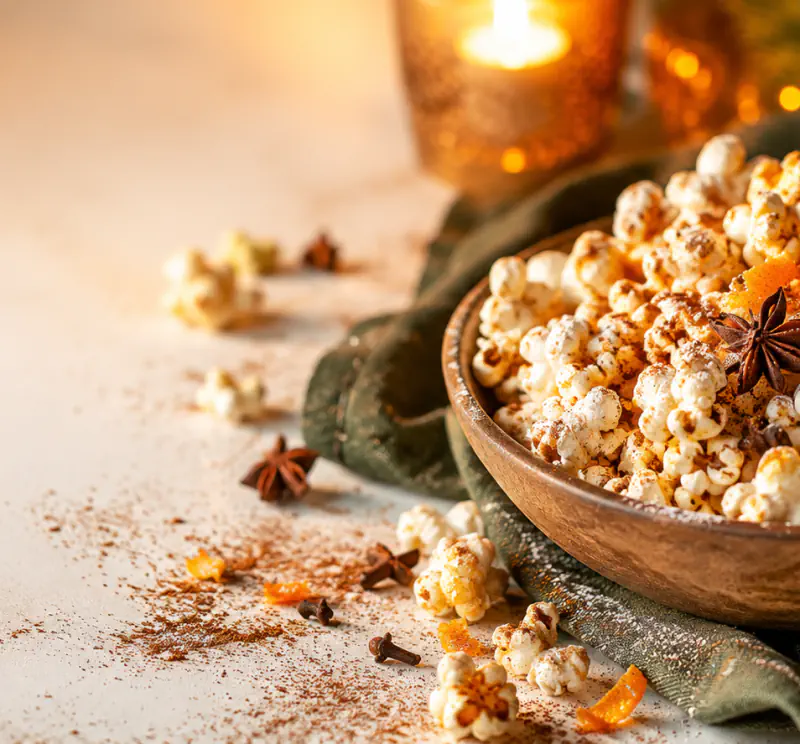
Salt, a bit of butter melted at the fire's edge, or cinnamon sugar. Best eaten straight from the pot while it's warm.
The packing list for a popcorn adventure
Before you head out to the fire - here's what goes in the backpack.
✓ What you need
- A pot with a long handle and a tight-fitting lid
- Popping kernels in a resealable container
- Heat-resistant oil in a small, leak-proof bottle
- Salt, and optionally cinnamon sugar or a bit of butter
- A heat-resistant glove or a thick cloth
- A large bowl or bags for serving
✕ Safety around an open fire
- Never hold the pot in the open flame - only over the embers
- Never let kids handle anything near the fire unsupervised
- Don't use a pot with a short handle - too close to the heat
- Don't grab the hot lid without a glove
- Never leave the fire unattended, not even briefly
- Don't make popcorn during a burn ban or wildfire risk
Only build an open fire in designated fire areas and follow local rules. When in doubt: safety comes before snacks.
The campfire feeling
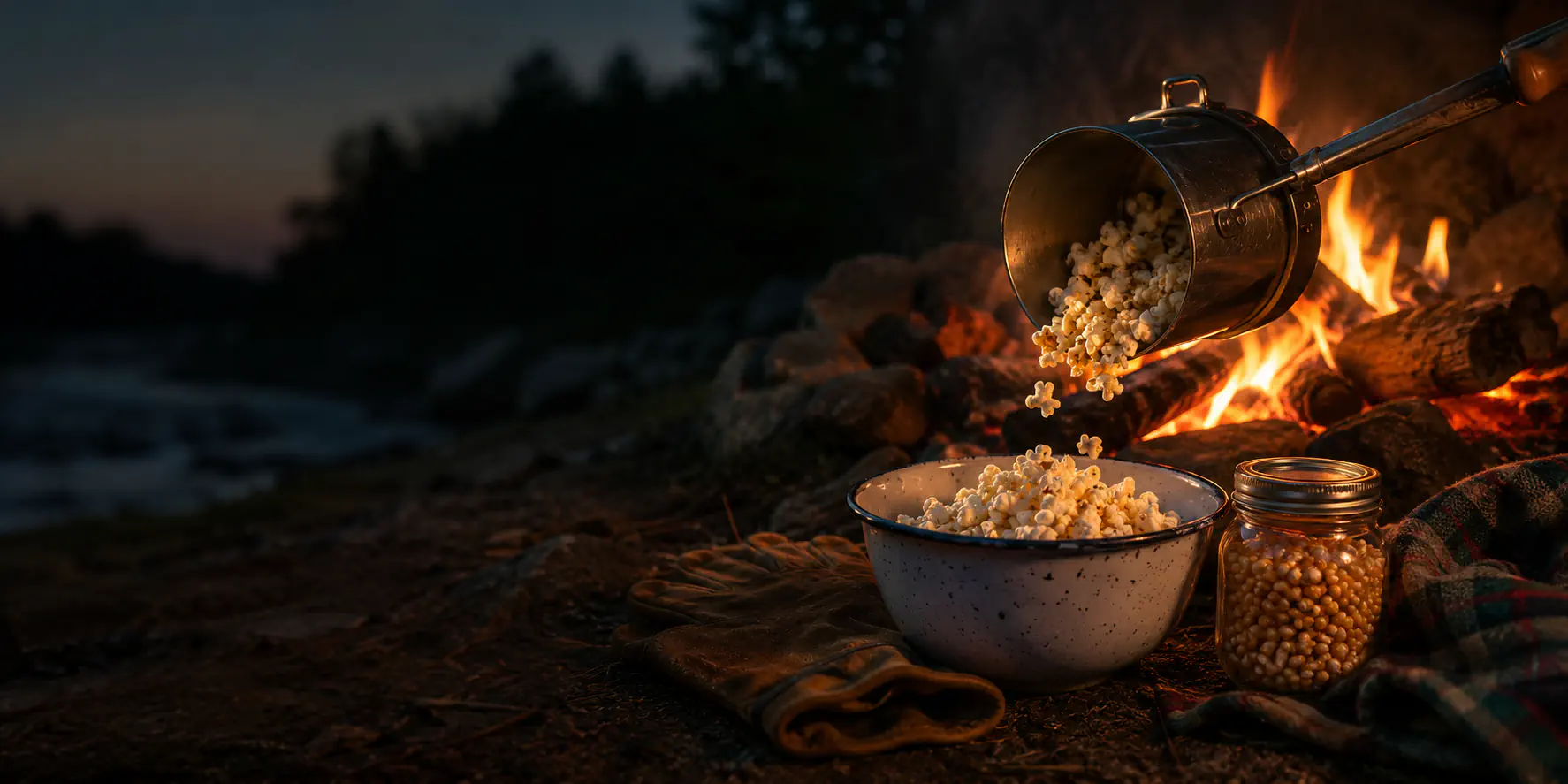
This is exactly the picture you're going for: a pot over glowing coals, popping away inside, getting dark all around.
… pop … pop … poppoppop
Why campfire popcorn tastes different
It's not just in your head: over an open fire, popcorn picks up a subtle smoky note that no stovetop in the world can replicate. There's also the slightly uneven heat, which produces more irregular, rustic-looking popcorn - a little less picture-perfect, but with more character in the flavor.
The bigger part of the appeal, though, is everything around it. Waiting together for the first pop, shaking the pot with everyone standing around, the warmth on your face and the dark at your back - campfire popcorn is a group experience, not a quick snack on the side.
Which pot actually works?
A dedicated campfire popcorn pot is ideal: a metal pan with a tight-fitting lid, often with a built-in stirring mechanism, and above all, a long handle. The handle is the most important part - it keeps your hand a safe distance from the heat.
But you can improvise, too: an old pot with a lid and a heat-resistant handle works in a pinch, as does a cast-iron skillet. The important thing is that the lid stays put (steam pressure otherwise pushes it up) and that you can move the pot with a glove or a long tool without burning your fingers. Foil-and-wire contraptions work, but they're fiddly and don't last long.
Does this work on a grill, too?
Yes, very well, actually. A grill with a lid often delivers more even heat than a campfire and is the more relaxed option for the backyard. Set the pot on the grate over the coals or a low gas flame and follow the same steps as at the campfire: shake, listen for the pops, pull it off in time.
On a gas grill, you can even control the heat more precisely than over wood embers - though you'll miss the smoky note that a wood fire brings.
Bonus: roast chestnuts on the same fire
If the fire's already going, it's worth doing double duty. Score chestnuts with an X on the rounded side before roasting - otherwise steam pressure makes them burst open unpredictably, much like a popcorn kernel. Roast them in a perforated pan or a cast-iron skillet over the embers until the shell splits open.
That turns your popcorn night into a little fall fireside menu without much extra effort.
Marshmallows and popcorn - the campfire combo
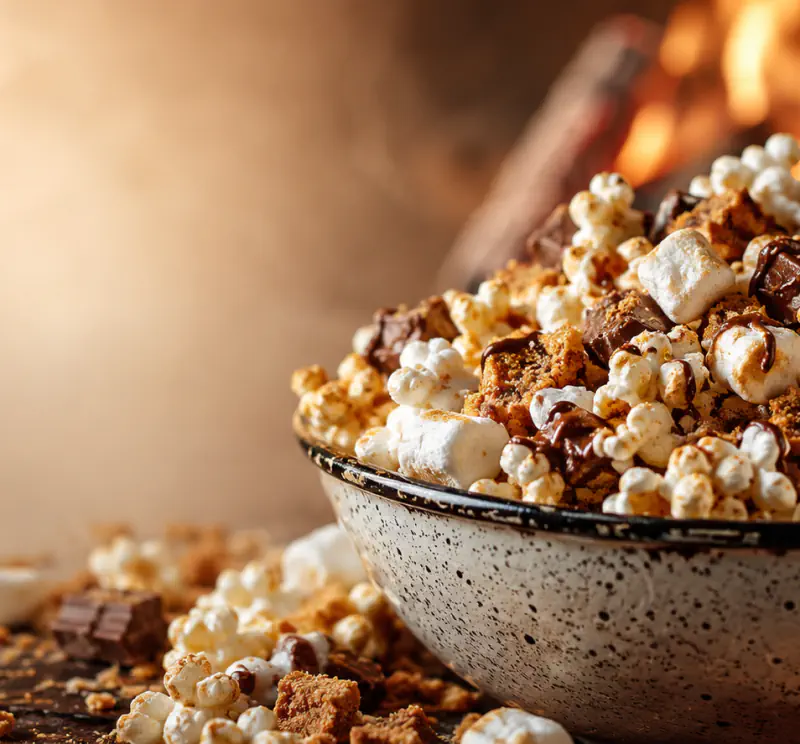
By the fire, the combination is a natural one: fresh popcorn and marshmallows roasted over the embers, mixed together in a bowl, make a sticky-sweet treat that kids especially love. If you're into it, melt the marshmallows right over the warm popcorn.
For the classic salty version, salted butter popcorn is still the go-to - same as on the stove, just with a smoky note.