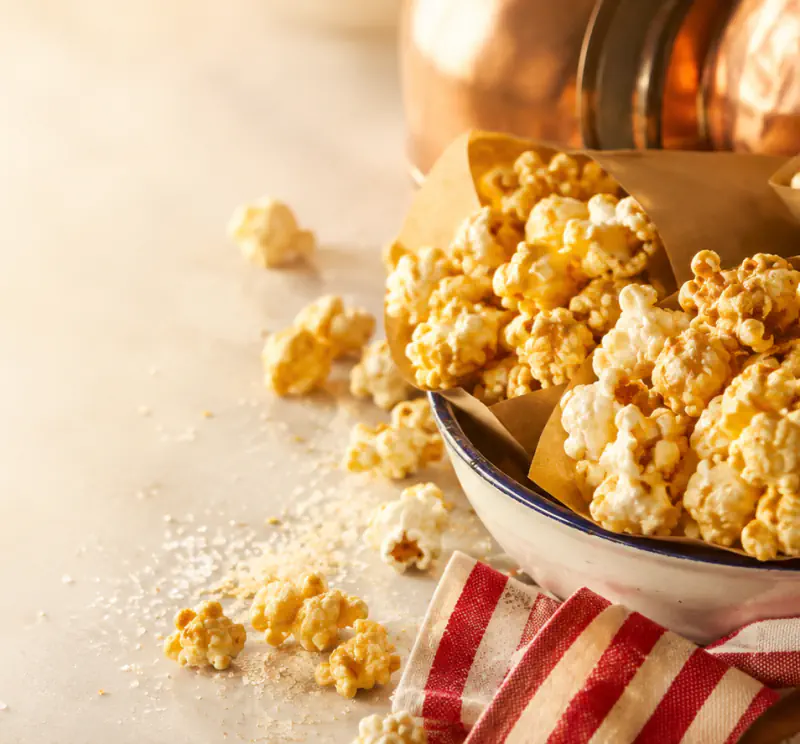
Retro looks, warm lighting, that iconic sizzle, and the smell of butter: the movie-theater popcorn machine is the top pick among popcorn machines.
🎬 Since 1885
🧈 Real kettle flavor
⏱ 5-7 min per batch
Popcorn has history
The movie-theater popcorn machine by the numbers
0
Year Charles Cretors built the first kettle popcorn machine
0 min
Maximum prep time for a full kettle batch
0 %
Possible markup on a serving of popcorn at US movie theaters
0 %
Profit margin that once got theaters into the popcorn business themselves
Featured Product
Our Top Pick
VEVOR Popcorn Machine, 8oz Stainless Steel Kettle, 800W Commercial Countertop Popcorn Maker, 48 Cups per Batch Theater Style Popper, with 2-Button Control Glass Wall PC Door 1 Scoop 3 Spoons, Black
VEVOR is a home improvement brand empowering Home Creators to upgrade spaces with pro-level products at exceptional value.
We deliver superior performance through practical tech innovation that blends purposeful technology with the hands-on joy of creation.
We break down price barriers so every upgrade reflects your vision to life. Upgrading every space isn’t just a task—it’s a declaration of reinvention.
Upgrade with VEVOR!
Your one-stop solution for all home improvement needs.
Delivered by practical tech innovation that combines purpose-driven technology with hands-on creative delight.
Through practical technological innovation and lean manufacturing, we deliver products that offer pro-level performance and benchmark quality at exceptional value.
Create bucket after bucket of fresh popcorn with this 8 oz countertop popcorn machine, popping up to 48 cups per batch to feed 6-8 people. Don't miss this excellent addition to home theaters, backyard parties, carnivals, sporting events, and other applications!
How do I keep my popcorn from being unpopped and having a soft, burnt texture?
Unpopped kernels, soft or burnt corn are caused by insufficient oil. We provide a recipe guide for reference. Another reason is using high-humidity corn, switching to low-humidity one can resolve this. Condensation on the walls during use is normal.
Is the popcorn machine easy to disassemble and clean?
Our popcorn machine features tool-free detachable parts (kettle, kernel catcher) for cleaning in seconds.
Can I use this outdoors for events?
Yes! The machine is built for both indoor and outdoor use. Pair it with our dust-proof lid for outdoor events like carnivals or backyard parties.
Retro 8 Oz Popcorn Machine: This popcorn machine features an 8-ounce kettle which can pop up to 48 cups of popcorn per batch, feeding 6-8 people. Get ready to keep sports fans, festival-goers, and party guests content with plenty of popcorn to go around
Master Theater-Style Flavor: Unlock the secrets to professional-grade popcorn with guided recipe. With this countertop popcorn machine, you can adjust sweetness or seasoning to match your cravings
Fast & Fresh: This commercial popcorn machine boasts 800W of power, which takes only a few minutes to preheat the kettle. Plus, the warming deck underneath can keep popcorn warm and crispy until you're ready to serve
* Affiliate link: If you buy through it, we earn a small commission. The price stays the same for you.
In short: Movie-theater popcorn machines heat kernels directly with oil in a kettle - that's what gives you the authentic movie-theater taste that hot-air machines can't match. Models run from about $60 to $100 depending on features.
From peanut roaster to movie-theater icon
The story of the movie-theater popcorn machine doesn't start in a theater at all - it starts on a Chicago street, with a converted peanut roaster. Here are the key milestones:
The key milestones
1885
Charles Cretors gets a street vendor's license in Chicago and retrofits his steam-powered peanut roaster with a popcorn popper.
1893
World's Fair in Chicago: Cretors shows off his stirring kettle popcorn machine to a huge audience - the start of its rise to fame.
1920s
As movie theaters boom, so do the machines: Cretors builds bigger models for higher throughput in theater lobbies.
1930s
During the Great Depression, popcorn becomes an affordable comfort snack - theaters notice the over-70% profit margin and start selling it themselves.
✨
Did you know?
At American movie theaters, the markup on a serving of popcorn can run as high as 1,275% - production cost is under 50 cents. Concessions like popcorn make up only about 20% of theater revenue, but around 40% of profit, because theaters have to split ticket revenue with film studios while keeping snack revenue entirely to themselves. At home, you skip that markup completely.
Why movie-theater popcorn tastes so special
Oil or fat in the hot kettle creates exactly the aroma you know from the theater - crispy, buttery, a little caramelized. Hot-air machines simply can't fully match it, because here the fat cooks along from the start instead of being added afterward.
How it works
Kernels and oil go into the kettle together. A motorized stirring arm makes sure every kernel heats evenly and nothing burns. After about 5 to 7 minutes, the whole batch is popped.
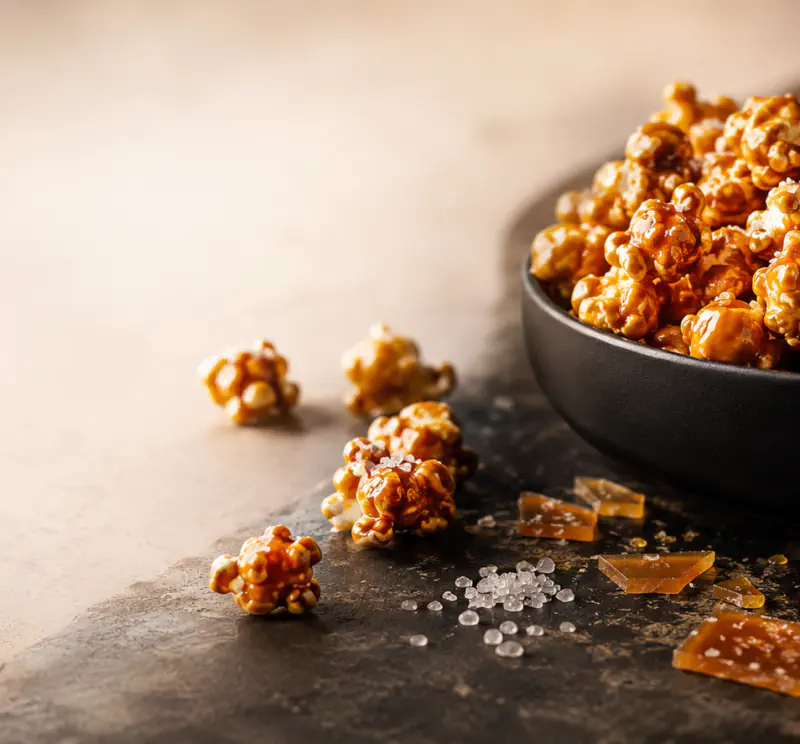
For extra authenticity, add a bit of sugar to the kettle right at the start - it caramelizes directly on the kernel, giving you sweet-and-salty kettle corn, the classic American carnival treat, instead of classic buttered popcorn.
Why are retro popcorn machines almost always red?
The characteristic red of many movie-theater popcorn machines comes from the design language of the 1930s to 1960s - the era when these machines became a familiar, almost festive sight in theater lobbies. Buying a retro popcorn machine today means buying into that nostalgic design feeling, not just the function. With warm interior lighting and a glossy housing, it quickly becomes a little piece of furniture that stays out in the living room instead of hiding in a cabinet.
Who is a movie-theater popcorn machine worth it for?
For anyone who makes movie night an event, cares about looks, and is willing to spend a bit more time and cleanup for the most authentic flavor. If you'd rather keep it simple and lower-calorie, you're better off with a hot-air popcorn machine.
Cleaning in short
Once the kettle has fully cooled, remove it and clean with warm water and mild dish soap, without scouring the non-stick coating. You'll find a full walkthrough, including tricks for getting rid of the oil smell, in our cleaning & care guide.
Key specs at a glance
Power
approx. 300-1,200 watts, depending on model
Kettle size
usually 3-4 quarts capacity
Prep time
approx. 5-7 minutes per batch
Exterior material
usually stainless steel or painted metal
Kettle material
Aluminum or stainless steel, often non-stick coated
Weight
usually 6.5-9 lbs
Price range
approx. $60-100 (entry-level to premium)
Pros
Authentic movie-theater flavor
High decorative/furniture value
Ingredients can be cooked right in the kettle (e.g. for kettle corn)
Cons
Higher fat content than hot-air machines
More involved cleaning
Needs more counter space
Compared to Other Machine Types
🎬
This page: kettle principle
Oil and kernels heat together - the most intense flavor, but slower and with more cleanup.
💨
Hot-air popcorn machine
No oil needed, ready in under 2 minutes - the healthier, faster everyday alternative.
Is the movie-theater popcorn machine right for you?
Click what applies to you:
Click the points above that apply to you.
Who Is This Machine Worth It For?
🎥
Movie-night romantics
Want the full theater experience, smell and sizzle included? A premium model with interior lighting is exactly right.
💰
Design fans on a smaller budget
Retro looks don't have to be expensive - an entry-level model already delivers most of the movie-theater feeling.
🍿
Heavy users who don't mind cleanup
If you make popcorn often, a sturdy stainless-steel kettle with a stirring mechanism pays off.
🛡️
What to check for on the safety label
Look for third-party safety certification (such as UL or ETL listing) rather than relying on a manufacturer's own claims. Check that the certifying lab's name is listed - if it's missing, the label is very likely fake.
Passend dazu
Unsere Empfehlungen
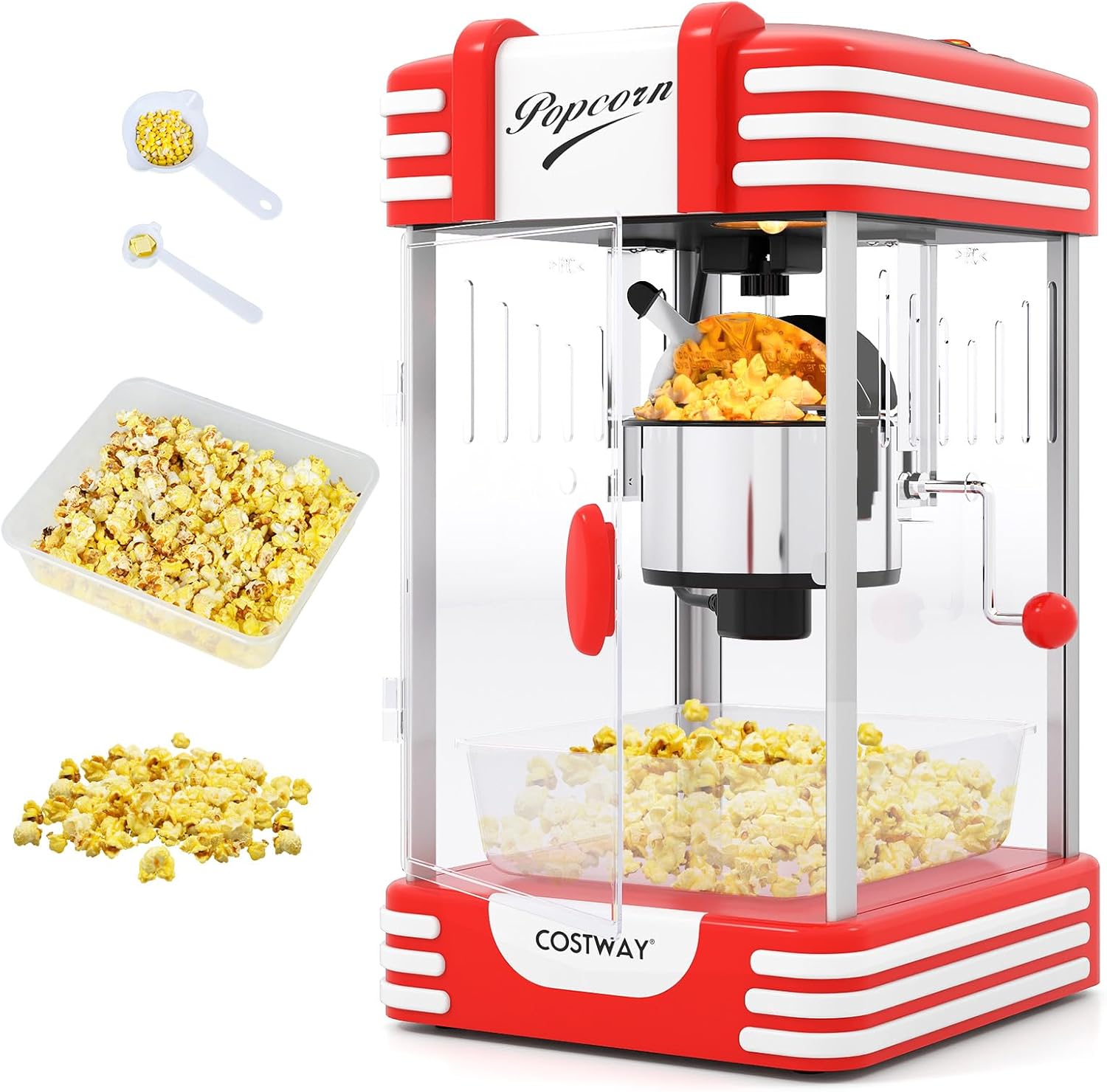
COSTWAY Popcorn Machine, Theater Style Countertop Popcorn Maker | Stainless Steel Kettle, Halogen Light, Kernel & Oil Scoops, Removable Serving Tray for Home Party, Movie Night, ETL Certified
West Bend Stir Crazy Movie Theater Popcorn Popper, Gourmet Popcorn Maker Machine with Nonstick Popcorn Kettle, Measuring Tool and Popcorn Scoop for Popcorn Machine, 4 Qt., Black
Whether it’s movie night on the couch, a party or a special event, you can make snacking fun with the help of this movie theater popcorn machine. The West Bend Stir Crazy Popcorn Popper easily pops up to 4 quarts of delicious popcorn in minutes and comes with a serving scoop, a ¼ cup kernel cup and a 1-tbsp. oil spoon. Designed with convenience in mind, this countertop popcorn machine comes equipped with a traditional stir-style popcorn kettle made of non-stick stainless steel that can easily be removed from the interior of this cinema popcorn machine for cleaning. At the press of a button, a patented Quick Release Lever tilts the kettle and empties popcorn into the serving area. The kettle’s magnetic cover attaches to the top of the home theater popcorn machine for easy filling and emptying. This movie popcorn machine even features an easy-serve tilt door. The perfect tabletop popcorn machine, this movie-style popcorn machine measures just 10.87 (W) by 10.27 (D) by 17.72 (H) inches.
West Bend Theater Crazy Popcorn Machine, Nonstick Kettle, 4 Qt., Red | West Bend Theater Crazy Popcorn Machine, Stir Rod Oil Popping, Nonstick Popcorn Kettle, Measuring Cup and Spoon, 4 Qt., Red
Transform your home into a personal cinema experience with the West Bend Theater Crazy Popcorn Maker, a must-have for anyone who loves the charm of classic movie theaters and the joy of fresh movie-style popcorn. This 4-quart popper doesn’t just make popcorn—it transforms your living space into a personal cinema experience, creating an ambiance that’s perfect for movie nights, game days, or any gathering. The first thing you'll notice is its vintage-inspired design, complete with an eye-catching LED popcorn sign that evokes the nostalgic feel of a traditional theater. But this machine is more than just good looks. It features innovative stir rod oil-popping technology to ensure every kernel pops to perfection, delivering a consistent, delicious snack every time. Efficiency meets convenience with thoughtful design elements like the magnetic kettle cover, which makes filling and emptying the kettle a breeze. Plus, the one-touch kettle release allows you to effortlessly dispense freshly popped popcorn directly into the unit, keeping the process smooth and mess-free. And when it comes to cleanup, you’ll appreciate the removable kernel-catcher tray that filters out unpopped kernels, ensuring that every bite is as satisfying as possible. To enhance your popcorn-making experience even further, this popper comes equipped with all the accessories you need for that perfect batch: 10 popcorn bags for serving, a scoop for easy portioning, a kernel measuring cup, and an oil measuring spoon. These thoughtful additions make it simple to recreate that authentic movie-theater taste from the comfort of your own home. Whether you're planning an epic movie marathon, hosting a lively game night, or throwing a party, the West Bend Theater Crazy Popcorn Maker is your ticket to fresh, hot popcorn at any time. Its timeless design and modern functionality make it not just a kitchen appliance but a centerpiece for fun and entertainment. Covered by the West Bend 12-Month Limited Warranty.
MAGNAVOX HOME MHPM0250, Popcorn Maker Machine, Movie Theater/Cinema Style with 2-Sided Serving Scoop. 2.5 Ounce, Red
Perfect Gift for Movie Lovers & Parties – Ideal for birthdays, holidays, home bars, and game nights. A retro popcorn machine that doubles as stylish kitchen décor and a functional snack maker. 300 watts looks like classic theater popcorn maker stainless steel kettle easy to use-popss delicious popcorn in about 5 minutes to 7 minutes convenient to make a healthy snack-requiress no oil voltage: 110 volts to 120 volts includes butter melt
Great Northern Popcorn Big Bambino 4oz Popcorn Machine, Black | Old-Fashioned Popcorn Maker Machine with 4oz Kettle Popper, Measuring Cups, Scoop, and Serving Cups - Movie Night Supplies
Pop and serve movie theater-style popcorn in your home or office with this Big Bambino Popcorn Machine by Great Northern Popcorn. The perfect addition to your kitchen appliances and home movie theater decor, this vintage-look popcorn maker includes a 4-ounce stainless steel kettle that makes about 1.5 gallons of popcorn in minutes, a drop-down tray under the door for easy access to popped kernels, and a one-switch design that simplifies operation. The fun retro design captures the look of a concession stand or popcorn cart in a compact popcorn popper that fits seamlessly with your kitchen counter decor.
Great Northern Popcorn Little Bambino 2.5oz Popcorn Machine, Pink | Vintage Style Tabletop Movie Theater Popcorn Maker Machine with 2.5oz Stainless Steel Kettle
Bring movie theater style popcorn to your home or office with the Little Bambino Popcorn Maker Machine by Great Northern Popcorn. The 2.5-ounce stainless steel kettle makes about 4-quarts of popcorn in minutes, and the 10W warming light in the ceiling helps keep your hot popcorn tasting fresh. Convenient features like an easy-to-use two-switch design and removable popcorn serving tray make this 300W tabletop popcorn popper machine a great pick for your movie night supplies. This retro kitchen appliance captures the look of a movie theater popcorn machine, yet its compact size is sure to fit on any countertop.
Yes, classic movie-theater popcorn machines use some oil or fat in the kettle - that's part of the signature flavor.
How loud is a movie-theater popcorn machine?
While popping, it's about as loud as a pot on the stove - the stirring motor itself runs fairly quietly.
What does a good movie-theater popcorn machine cost?
Affordable entry-level models start around $60, while premium retro-design machines usually run $80 to $100.
What's the difference from kettle corn?
With classic movie-theater popcorn, the kernels pop first and get seasoned or sweetened afterward. With kettle corn, the sugar caramelizes right on the kernel because it goes into the kettle together with the corn - the result is sweet-and-salty instead of purely buttery.
Does a popcorn machine need independent safety certification?
Basic compliance marks are typically self-declared by the manufacturer. An independent third-party safety certification is voluntary but a good extra trust signal, since it's tested by an outside lab.
Is a movie-theater machine worth it if I only make popcorn occasionally?
For occasional use, a cheaper hot-air or microwave option is often more practical - the movie-theater machine shines with regular use and as a decorative piece.
We only use technically necessary cookies. With your permission, we also use Google Analytics to improve the site - you can change your choice anytime. See our privacy policy for details, including your California privacy rights.