In short: Under $30 gets you a solid entry point (microwave popper), $30 to $70 is the price-to-performance sweet spot for most households, and $70 and up is where the real movie-theater feeling starts, with a kettle and retro looks. The budget finder below shows you live which tier fits your budget.
What you actually get at each price point
Under $30, you get functionality without frills: a silicone popper reliably makes popcorn, but looks more like a kitchen helper than a movie-theater experience, and pays off mostly if you only snack occasionally.
In the mid-range between $30 and $70, you get a well-rounded package: dedicated hot-air machines are fast, need no oil, and deliver noticeably more volume than the microwave popper - the ideal everyday companion for most households.
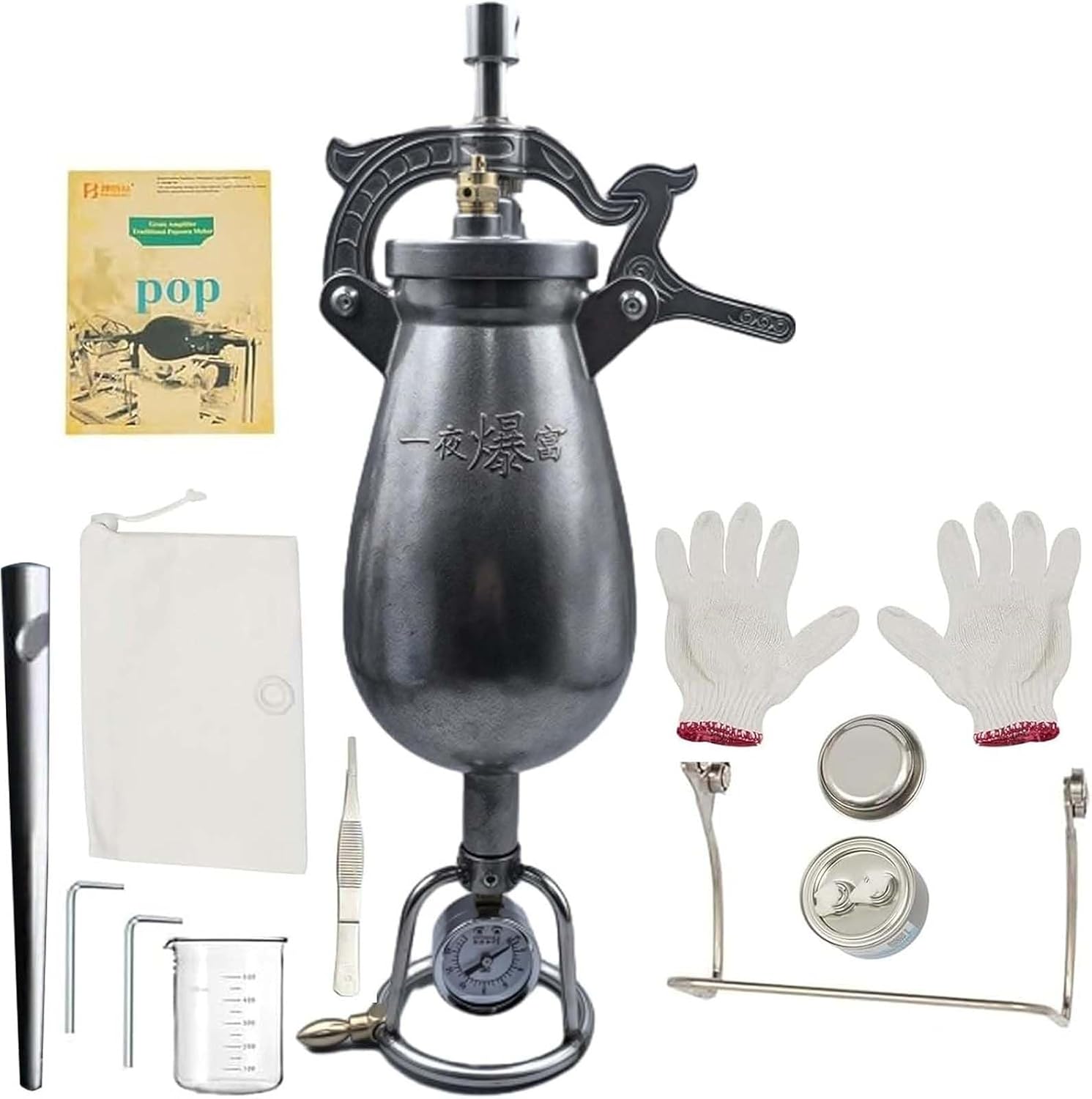
At $70 and up, you're specifically paying for three things missing in the mid-range: the signature roasted flavor from the metal kettle, looks that hold their own in the living room, and usually a longer lifespan thanks to sturdier build quality.
How to find your price tier in 10 seconds
Four questions are usually enough to land on the right tier - answer them in your head, then check where the budget finder above points you:
How often will you use the machine? Only for special occasions points to entry-level; several times a week points to mid-range or premium.
Do looks matter more to you, or pure everyday practicality? If you'll leave the machine out on the counter, you'll benefit from the retro looks of the premium kettles.
Does the health angle matter? Hot-air machines run completely oil-free and win on that front regardless of price.
How many people do you usually cook for? Bigger households tend to do better with machines that have more capacity, which are more common in the mid-range and premium tiers.
Movie-theater feeling vs. everyday practicality
The roasted flavor from the kettle isn't a marketing promise - sugar and fat caramelize on the hot metal surface and create roasted notes that a hot-air machine simply can't reach by design. The cost: more cleanup, since the kettle and stirring mechanism need regular clearing of fat and sugar residue.
If you want popcorn fast and low-maintenance every day, a hot-air machine is often a better fit than the premium kettle - the movie-theater feeling pays off mostly for anyone who treats movie night as a little ritual.
Common buying mistakes - and how to avoid them
The most common mistake: buying the cheapest machine without checking the capacity - then you're popping three batches back to back for a family of four. On the flip side, an expensive commercial-style model rarely pays off if you only snack once or twice a month.
A second classic mistake: buying a machine without checking real customer reviews. Noise level and durability in particular often differ noticeably between manufacturer specs and everyday experience.
When it's worth upgrading
If your microwave popper is in regular use but you're annoyed by the missing movie-theater flavor, that's a clear signal to move up to the mid-range or premium tier. Same goes for realizing a single batch never covers your household - a model with more capacity quickly pays off because you won't have to pop twice as often.
Your answer in one click
You now know what matters at each price point - just scroll back up to the budget finder, set your number, and the matching pick highlights itself automatically. No guesswork, no 20 tabs of comparison sites.
What to check regardless of price
| Wattage |
More watts usually means faster, more even popping - especially important for hot-air machines. |
| Capacity |
Depends on household size: 1-2 people need less, bigger groups need more volume per batch. |
| Warranty period |
A longer warranty is a good signal for the lifespan the manufacturer expects. |
| Customer reviews |
Noise level and durability in particular are often easier to judge from real reviews than from the spec sheet. |