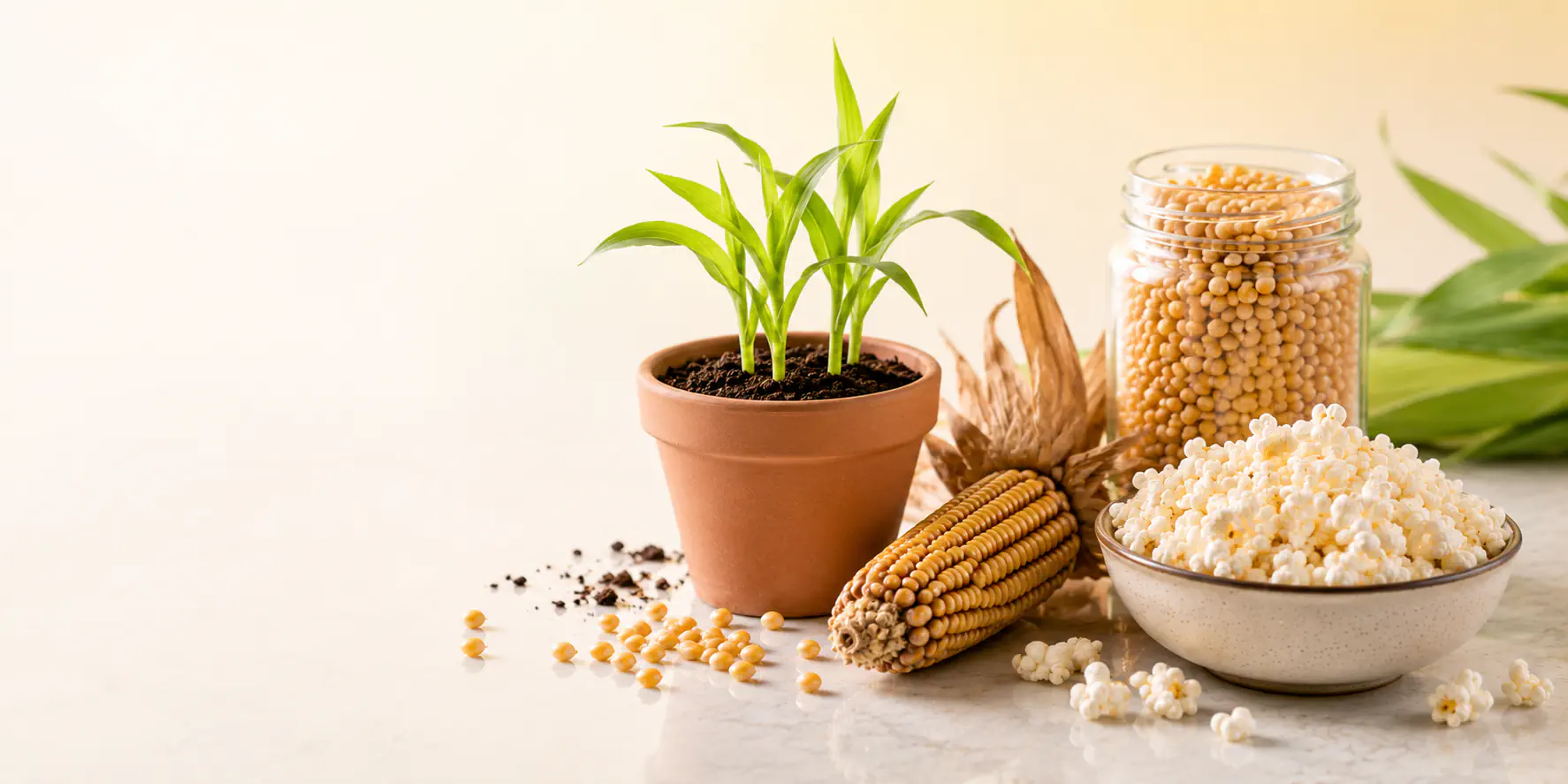
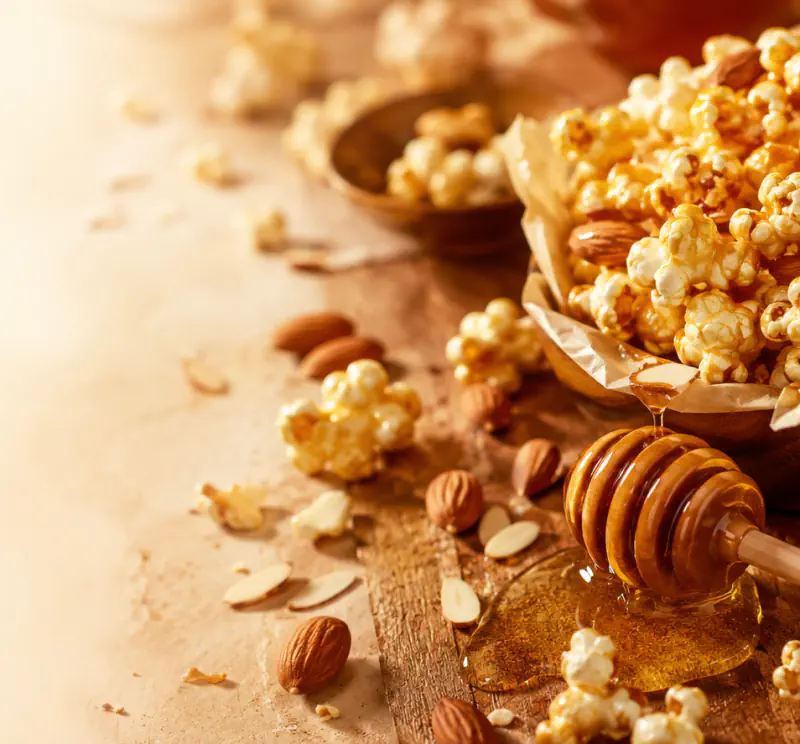
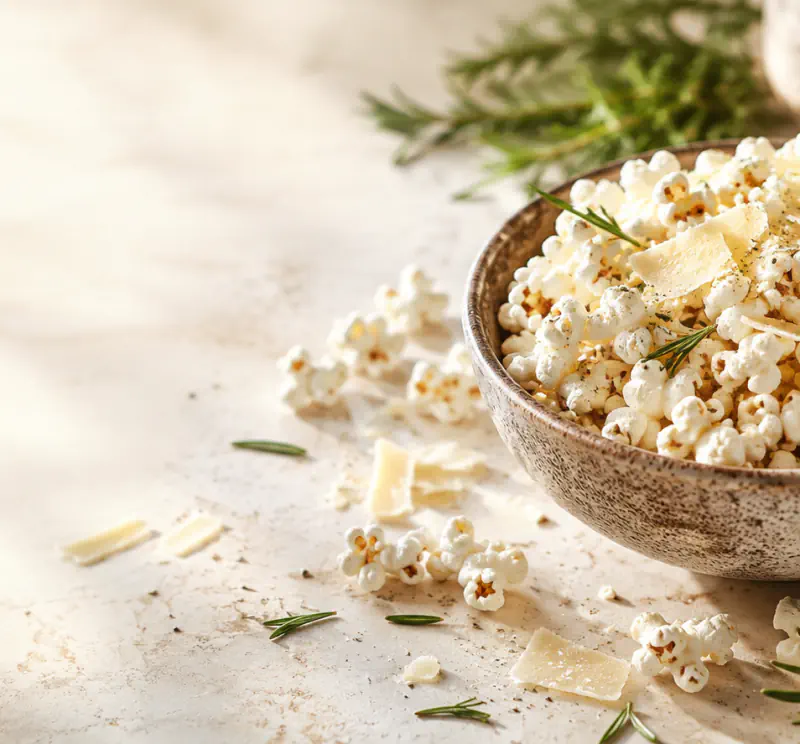
Five months of patience for what's probably the most satisfying bowl of popcorn of your life - and one drying step most people get wrong.
🌱 Plant after your last frost
📏 Needs about 20 sq ft in a block
⏳ Harvest after ~4-5 months
The season by the numbers
What to expect when growing your own
0 months
From planting in spring to the first homegrown popped kernel
0 ft
How tall the plants get - plan for wind protection
0 ears
Is what a healthy plant produces on average
0 % moisture
The target after drying - below that, popping suffers
Featured Product
Our Top Pick
Amish Country Popcorn | 8-4 oz Bags | Stovetop Popping Sampler Pack with Canola Oil and BallPark ButterSalt | Old Fashioned, Non-GMO and Gluten Free (Stovetop Sampler - 8-4 oz Bags)
Amish Country Popcorn produces over 13 varieties of popcorn that are home grown in the rolling cornfields of Berne, Indiana. All of of our popcorn is non-GMO, gluten and preservative free. At Amish Country Popcorn, we are committed to keeping popcorn simple and natural.
Amish Country Popcorn offers everything to make your popcorn experience even more enjoyable. Not sure what type of kernels are your favorite and want to try different toppings? Amish Country Popcorn offers a wide selection of Variety Packs to meet your needs!
STOVETOP POPPING SAMPLER PACK - Not sure which popcorn to go with? Pick this sampler, accompanied by our Canola Oil and Seasoning!
STORING YOUR POPCORN - For long-term storage, we recommend keeping your popcorn in a resealable plastic or glass container in a cool, dry place. Any intense heat or high humidity can drastically shorten the shelf life of popcorn, as with all grains.
GMO FREE & GLUTEN FREE - With our products being GMO Free and Gluten Free, you can eat this popcorn with peace of mind!
* Affiliate link: If you buy through it, we earn a small commission. The price stays the same for you.
In short: Growing popcorn kernels is easier than you'd think: plant after your last frost, in a block instead of a single row (for wind pollination), water well through summer, and harvest in fall once the husks are paper-dry. The real make-or-break step comes after: the kernels need to slowly dry down to about 14% moisture - or they'll never pop.
💡
The most common beginner mistake
Planting popcorn and sweet corn next to each other in the same garden. Both cross-pollinate each other through the wind, and the result disappoints on both sides: the sweet corn turns starchy, and the popcorn loses its ability to pop. If you want to grow both, keep at least 65 feet of distance - or stagger planting so they don't flower at the same time.
A season to scroll through
Scroll slowly and watch the plant grow - from planting to a finished bowl of popcorn.
MayPlantingOnce the danger of frost has passed, plant 1-1.5 inches deep in warm soil. Corn won't germinate below 50°F soil temperature.
JuneSproutingThe first shoots appear after 8-12 days. Water regularly now and keep weeds down.
JulyRapid growthThe plant shoots upward and forms sturdy leaves. Water needs increase noticeably.
AugustFloweringThe tassel appears on top, with ears and their silks forming on the sides. Pollination happens through the wind.
SeptemberEars ripenThe kernels turn hard and glassy. Stop watering from here on - the plant needs to dry out.
OctoberHarvest & dryingHusks brown and paper-dry? Time to harvest - then let the ears finish drying for several more weeks.
The growing calendar at a glance
What's happening when, all year - handy to remember for next season.
JFMAMJJASOND
🪴 Starting indoors
🌱 Planting
🌿 Growth & care
🌾 Flowering
🌽 Ripening
🧺 Harvest
💨 Finish drying
🍿 First test batch
Is this realistic in a home garden?
Yes - but not in a window box. Corn needs space, sun, and water. For a worthwhile harvest, plan on at least 20 square feet and plant in a block, not a single row. The reason is pollination: corn is wind-pollinated, and pollen from the tassel has to land on the silks of the ears. In a single row, most of it blows right past - the result is ears with patchy, incomplete kernel coverage.
Realistically, a well-tended block of about 20-30 square feet gives you enough corn for several popcorn nights. It's not a self-sufficiency project, but it's a great fun-and-bragging-rights one.
Location, soil, and planting
Corn wants full sun and rich, humus-heavy soil. Plant once the danger of frost has passed - earlier, the soil is usually too cold, and the kernel is more likely to rot than sprout. If you want to get a head start on the season, start seeds indoors in pots in mid-spring and transplant the seedlings outside once it's warm.
Spacing: about 16 inches between plants, 20-24 inches between rows, planting depth 1-1.5 inches. Especially important for popcorn: keep it away from sweet corn growing in the same garden. The two cross-pollinate through the wind, and that cross wipes out exactly the trait that matters - the popcorn ends up popping noticeably worse.
Care through the summer
Corn is a heavy feeder and needs plenty of water, especially during its main growth phase in midsummer. Compost or an organic fertilizer application at the start of the season is usually enough. Since the plants grow up to 6.5 feet tall, a wind-sheltered spot is worth choosing - corn that gets knocked over doesn't stand back up.
A proven trick is hilling: mound soil around the base of the stalk once the plants are about knee-high. Corn grows extra brace roots there and stands noticeably sturdier afterward.
When is popcorn ready to harvest?
This is the key difference from sweet corn: popcorn isn't harvested at the milky stage - it's left on the plant until it's almost completely dried out. The husks are brown and papery by then, and the kernels are hard, glossy, and can no longer be dented with a fingernail.
Stop watering in September so the plant can finish ripening. Harvest on a dry day if you can - and don't wait too long if wet fall weather or frost is in the forecast.
Drying - this is where it's won or lost
This is the step where homegrown popcorn most often fails. Freshly harvested kernels hold far too much water; cooked as-is, they'd just steam and turn soft instead of popping. The target is around 14% residual moisture.
Hang the ears somewhere airy, dry, and frost-free - an attic, a garage, or a dry shed are all ideal. Plan on four to six weeks. It's important that this happens slowly: if you try to speed it up with a heater or an oven, you risk cracking the hull - and a cracked kernel will never pop again, because it can no longer build up pressure.
The readiness test is simple: if the kernels twist off the ear easily and make a bright, clattering sound falling into a bowl, the corn is ready. Then run a small test batch with two tablespoons. If it still pops poorly, give the rest one or two more weeks.
From the ear to the storage jar
Twist the kernels off the ear with your thumbs - for larger amounts, rubbing two ears against each other helps. Then store them airtight in jars, in the dark, at room temperature. That keeps the moisture content stable.
A nice bonus: you can set part of the harvest aside as seed for next season. That turns a one-time project into a little cycle of its own - as long as there was no sweet corn nearby to cross-pollinate with.
Pros
An unbeatable sense of achievement with your first homegrown popped kernel
Seed is cheap - one packet lasts several seasons
Corn plants make a decorative privacy screen in the garden
Part of the harvest can be saved as seed
Cons
Needs space - won't work in a window box
Long wait of about five months
Drying adds another 4-6 weeks on top
Yield won't cover ongoing popcorn needs
Is growing your own worth it for you?
Click what applies to you:
Click the points above that apply to you.
Passend dazu
Unsere Empfehlungen
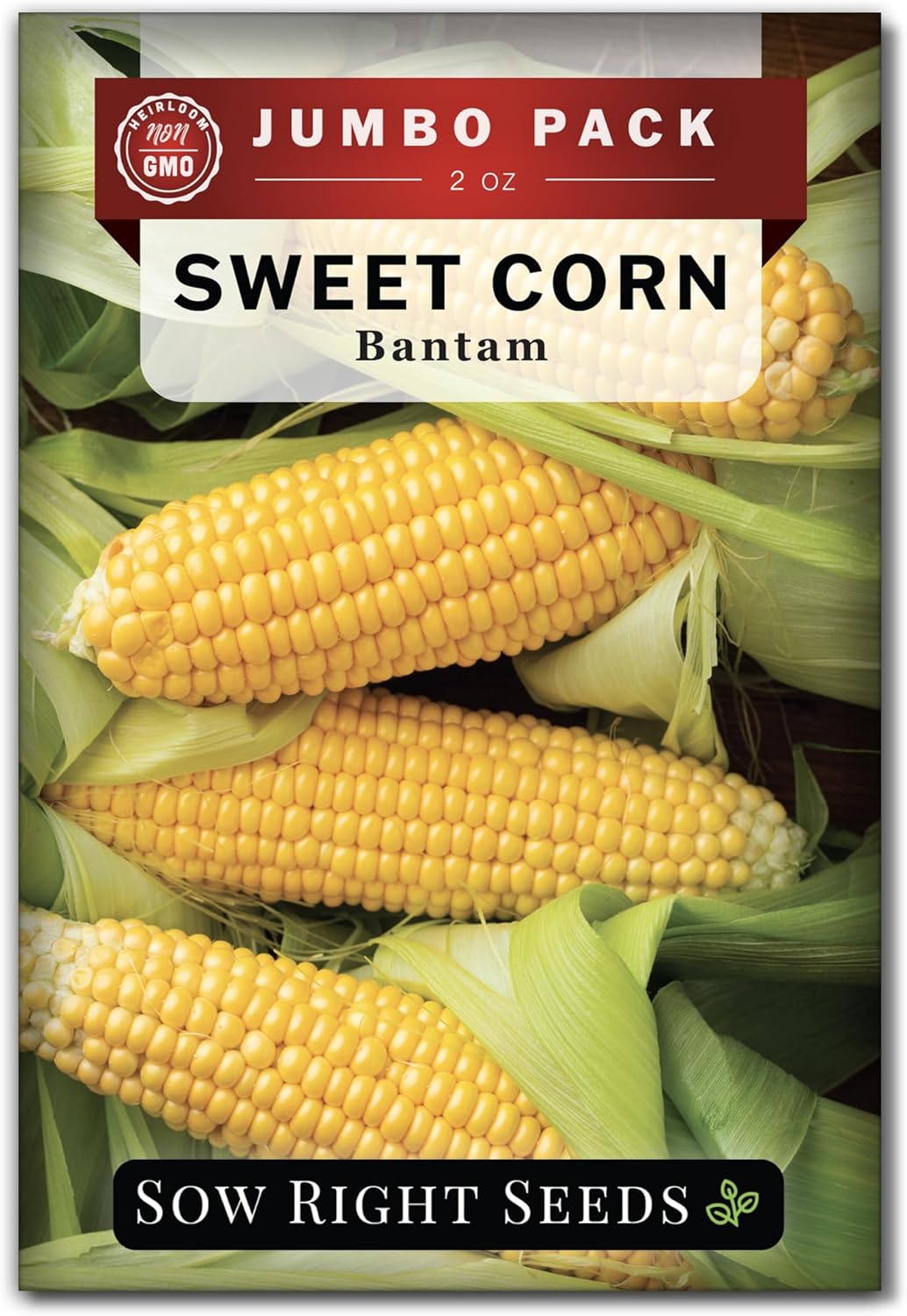
Sow Right Seeds- Bulk Golden Bantam Sweet Corn Seed for Planting Jumbo Pack | Plant non-GMO heirloom yellow variety for outdoor home vegetable garden. Veggies for growing best outside for fall gift.
Grow your own fresh vegetables
Sweet Bantam Corn 2OZ
Sweet Bantam Corn 13G
Blue Hopi Corn 1OZ
Natl Pickling Cucumber 6G
Black Beauty Zucchini 12G
Contender Bush Bean 2OZ
Blackeyed Pea Cowpea 2OZ
Sow Right Seeds - Blue Hopi Corn Seed for Planting Outdoors Vegetables | Plant unique non-GMO heirloom variety in outdoor home vegetable garden. Vibrant veggies for outside gardening and fall decor.
Grow your own fresh vegetables
Blue Hopi Corn
Blue Hopi Corn 1OZ
Luffa Gourd
Strawberry Popcorn
Sweet Bantam Corn
Contender Bush Bean
Dill
Organic Glass Gem Corn Seeds for Planting: 50 Count | Famous Jewel-Toned Flint Corn, Translucent Rainbow Kernels, Grind for Cornmeal or Pop, Ornamental Showstopper, Heirloom
Glass Gem Corn (Zea mays) produces highly variegated, three to eight inch cobs with translucent kernels that can be used for popping, grinding or merely staring at and marveling at the immense diversity of the natural world. The colorful kaleidoscopic kernels are eye-catching and intriguing, hinting at the rich history of this unique heirloom corn variety.
This stunning corn variety is a pleasure to grow, harvest and enjoy!
Ornamental Indian corn, scientifically known as Zea mays, is a vibrant and decorative variety of maize that has been cultivated for centuries. Often referred to by nicknames such as "calico corn," "flint corn," or simply "Indian corn," this plant is prized for its multicolored kernels, which can display striking shades of red, blue, yellow, white, and purple. Unlike sweet corn, which is harvested for its sugary taste, ornamental Indian corn is typically grown for aesthetic purposes, such as fall decorations, crafts, or even as a heritage crop to preserve traditional varieties. Native to the Americas, it was a staple in Indigenous cultures long before European settlers arrived, and its diverse colors are a result of selective breeding over generations. Planting ornamental Indian corn from seed is a straightforward process that requires some basic preparation. Start by selecting a sunny location with well-drained, fertile soil, as corn thrives in full sunlight and nutrient-rich conditions. Sow the seeds in late spring, after the last frost, when soil temperatures reach at least 60°F (15°C). Plant the seeds about 1-2 inches deep and 8-12 inches apart in rows spaced 2-3 feet apart to allow for proper growth and air circulation. Water consistently to keep the soil moist but not waterlogged, especially during germination and early growth stages. With a growing season of 90-120 days, depending on the variety, you’ll have a stunning harvest of colorful ears by autumn, perfect for display or grinding into cornmeal if desired.
Classic butterfly popcorn is the easiest and most reliable to germinate. Look for seed explicitly labeled as popcorn (Zea mays everta) - kernels from a bag of grocery-store eating corn often germinate poorly or not at all.
How long does it take until harvest?
About four to five months pass from planting in spring to harvest. After that, add another four to six weeks of drying before the corn is truly ready to pop.
Why isn't my homegrown corn popping?
In the vast majority of cases, it's still too moist - just let it dry longer. The second most common cause is cross-pollination with sweet corn in the garden. You'll find more causes in our guide on why popcorn doesn't pop.
Can I grow popcorn on a balcony?
Only in a very limited way. A single potted plant will grow tall, but with no neighboring plants it barely pollinates - the ears end up mostly empty. For a real result, you need a group of at least 9-12 plants in a block.
How do I know the ears are ready to harvest?
The husks are brown and paper-dry, and the kernels are hard, glossy, and can no longer be dented with a fingernail. If they still release a milky liquid when pressed, the ear isn't ready yet.
Can I speed up drying in the oven?
Better not to. Drying too fast cracks the hull - and a kernel with a cracked hull can no longer build up steam pressure and will never pop. Slow air-drying over several weeks is the safe way.
Harvest in? Here's how to store your corn properly so it stays poppable.
We only use technically necessary cookies. With your permission, we also use Google Analytics to improve the site - you can change your choice anytime. See our privacy policy for details, including your California privacy rights.