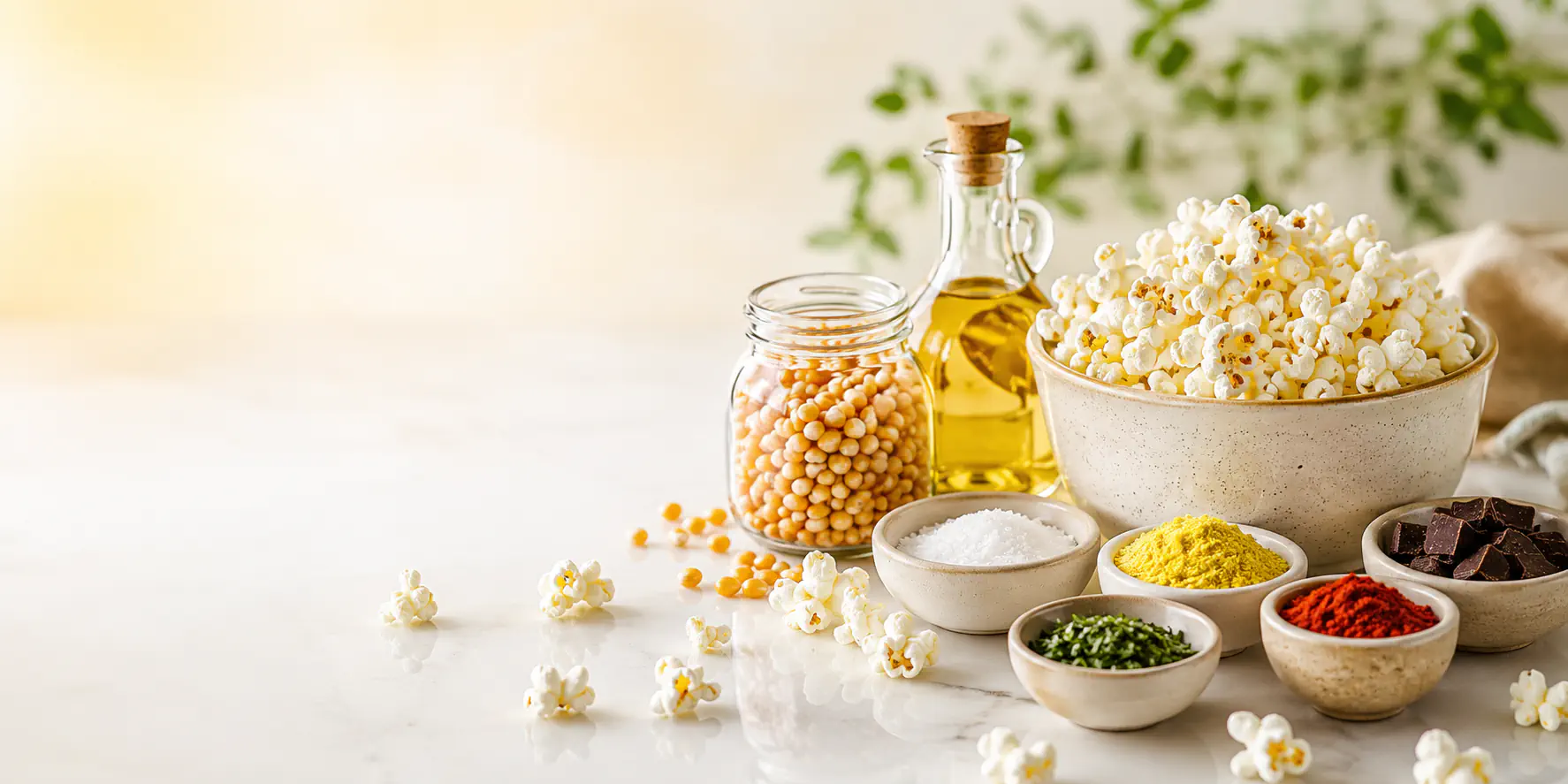
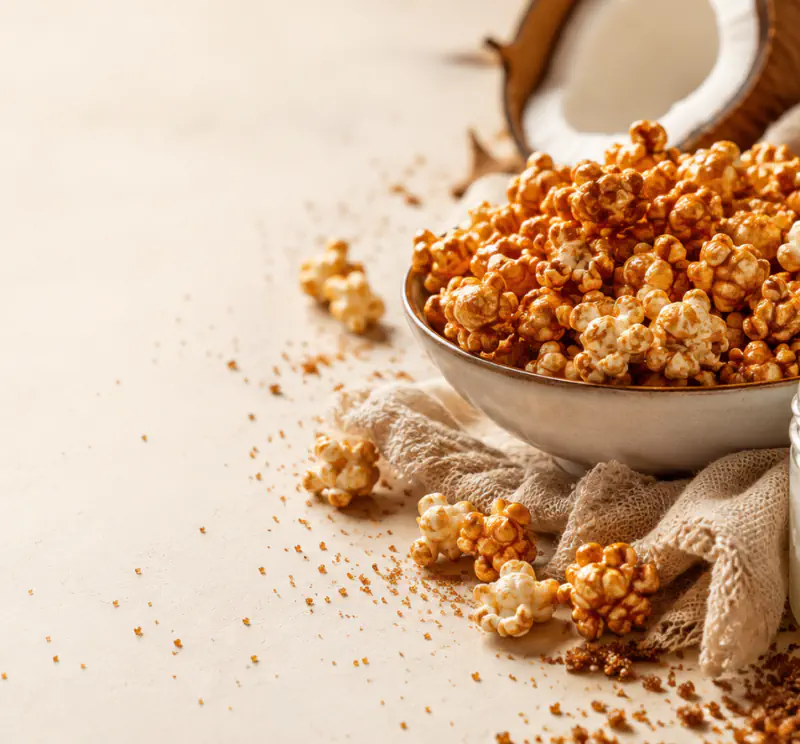
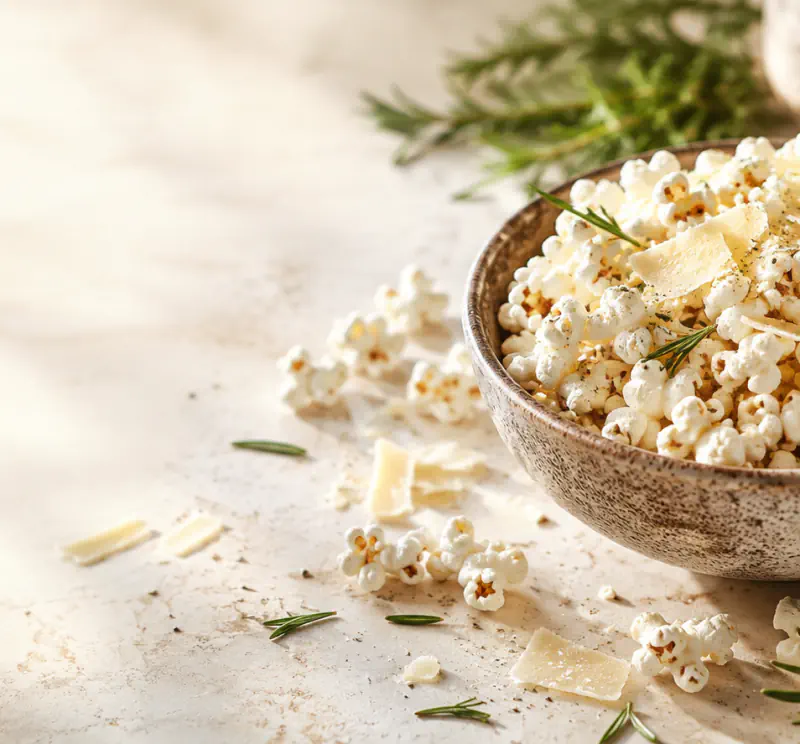
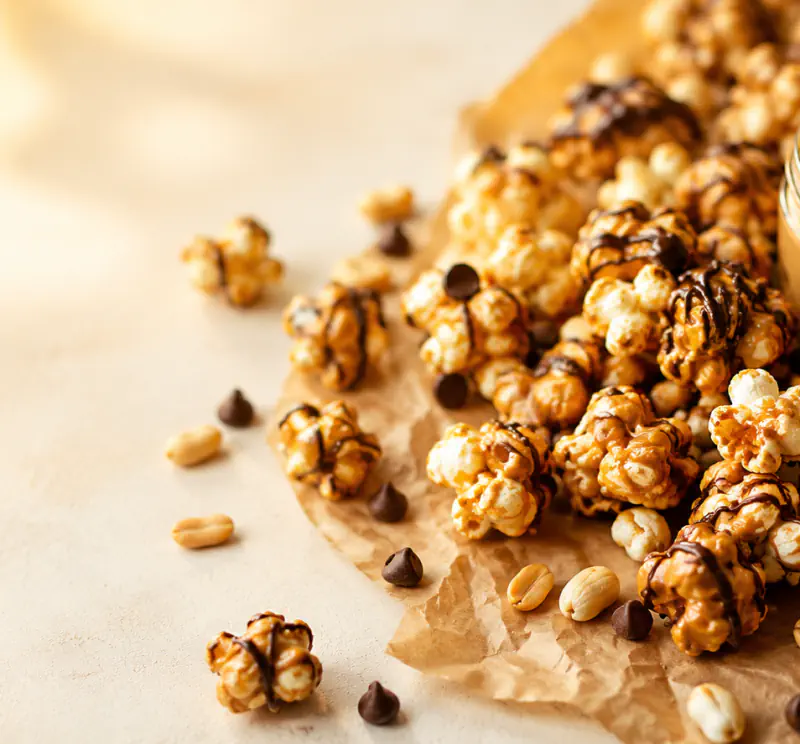
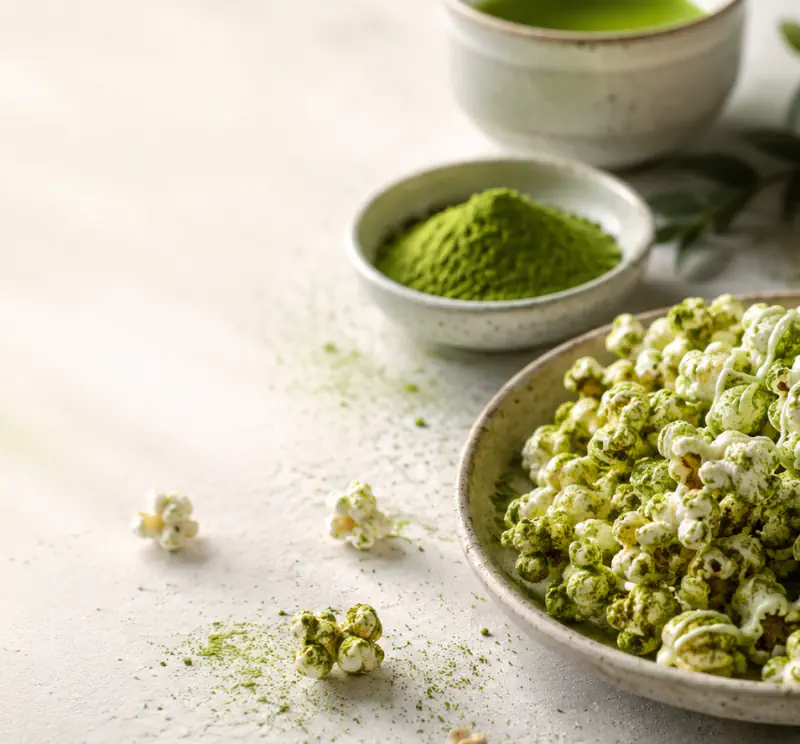
In short: Popcorn in its basic form - corn, vegetable oil, salt - is vegan and gluten-free. It only becomes a problem through butter, milk powder, honey, butter flavoring, or gluten from additives and cross-contamination. With homemade popcorn, you're fully in control of both.
💡
The flavoring trick a lot of people miss
The ingredient listing "natural flavor" or "artificial flavor" legally says nothing about its source. A butter flavor can be entirely plant-based - or genuinely derived from milk components. The only reliable signal is allergen labeling: milk-derived ingredients have to be called out in the ingredient list, usually in bold. If you're vegan, don't rely on the word "flavor" - look specifically for a called-out milk or whey allergen instead.
The ingredient traffic light
What's safe, what to double-check, and what typically causes problems - for both vegan and gluten-free eating.
Safe
Vegan and gluten-free, no caveats.
-
Plain popcorn kernels
Just corn, nothing added
-
Vegetable oils
Coconut, canola, sunflower, olive oil
-
Salt & pepper
-
Dried herbs & spices
Paprika, chili, curry, cinnamon
-
Nutritional yeast
The go-to vegan cheese substitute
-
Maple syrup & agave nectar
Vegan alternatives to honey
Check the ingredient list
Usually fine, but there are exceptions.
-
Spice blends
May contain milk powder or wheat starch as an anti-caking agent
-
Pre-packaged microwave popcorn
Very often made with butter flavoring or whey powder
-
Chocolate & candy coating
Milk chocolate isn't vegan, dark often is
-
Pre-made caramel mixes
Often contain clarified butter
-
"Natural/artificial flavors"
The label alone doesn't reveal the source
-
Sugar
Cane sugar is sometimes refined using bone char
Common pitfalls
Here, popcorn is no longer vegan and/or not reliably gluten-free.
-
Butter & clarified butter
The classic in movie-theater popcorn
-
Butter flavoring / butter oil
Despite the name, often genuinely dairy-based
-
Milk powder & whey powder
Common in packaged and flavored popcorn
-
Honey
Off the table for a lot of vegans
-
Malt extract
Made from barley - contains gluten
-
Popcorn from an open theater counter
Ingredients and cross-contamination are hard to verify
If you have celiac disease or a diagnosed allergy: don't rely on general guidance like this - go by the label on the specific package, and check with your doctor or a registered dietitian when in doubt.
Is popcorn naturally gluten-free?
Yes. Corn isn't one of the gluten-containing grains - gluten comes from wheat, rye, barley, spelt, and related grains. Plain popcorn kernels contain none of it.
The caveats show up afterward. First, through ingredients: malt extract from barley, certain flavorings, or wheat starch used as an anti-caking agent in spice blends can introduce gluten. Second, through cross-contamination: if popcorn kernels are processed in a facility that also handles wheat products, trace amounts are possible. If you need to be certain, look for a certified gluten-free label - those come with defined, tested thresholds.
Is popcorn naturally vegan?
In its basic form, yes: corn, vegetable oil, and salt are entirely plant-based. Popcorn only stops being vegan because of what gets added - and that happens more often than a lot of people assume.
The most obvious case is butter. Less obvious are butter flavoring and butter oil, which despite the name can genuinely be dairy-derived, along with milk powder and whey powder in packaged products. Honey in sweet varieties also rules popcorn out for a lot of vegans. With homemade popcorn, none of this is an issue at all.
How to make popcorn reliably vegan
The swap is simple: coconut oil or another neutral vegetable oil instead of butter. Coconut oil has a practical edge here, since it turns solid at room temperature and gives popcorn a slightly buttery feel.
For a savory flavor, nutritional yeast is the obvious choice: it adds a cheesy, umami note with zero dairy. For sweet versions, maple syrup or agave nectar swaps in for honey, and for chocolate coatings, reach for chocolate explicitly labeled vegan. Our vegan caramel popcorn recipe shows that nothing's missing on flavor.
What to watch for with packaged products
Microwave popcorn is the trickiest case. The bags almost always contain a fat blend, and butter and caramel varieties very often include whey powder or butter oil. Read the ingredient list - the label on the front of the bag isn't a reliable indicator.
Pre-packaged popcorn from the grocery store shelf is a bit better: salty varieties are often entirely plant-based, while sweet ones rarely are. And with movie-theater popcorn, it's practically impossible to verify which fat was used in practice - when in doubt, it's worth just asking at the counter.
Popcorn and celiac disease
For people with celiac disease, plain popcorn kernels are generally fine, since they contain no gluten. What matters is the specific processing: look for a certified gluten-free product, especially with seasoned or pre-popped popcorn.
Popping it yourself remains the safest route, since you control both the corn and every seasoning individually. For your specific situation and tolerance, a doctor's or registered dietitian's advice is what matters - general information like this doesn't replace it.